The Cookbook Problem

I have a signed copy of a Paul Bocuse cookbook on my shelf. I have one from Stephanie Alexander too, and a lot more besides — forty years in professional kitchens gives you a proper collection. They're not decoration. I actually cook from them, or I did, before I built Logiciated.
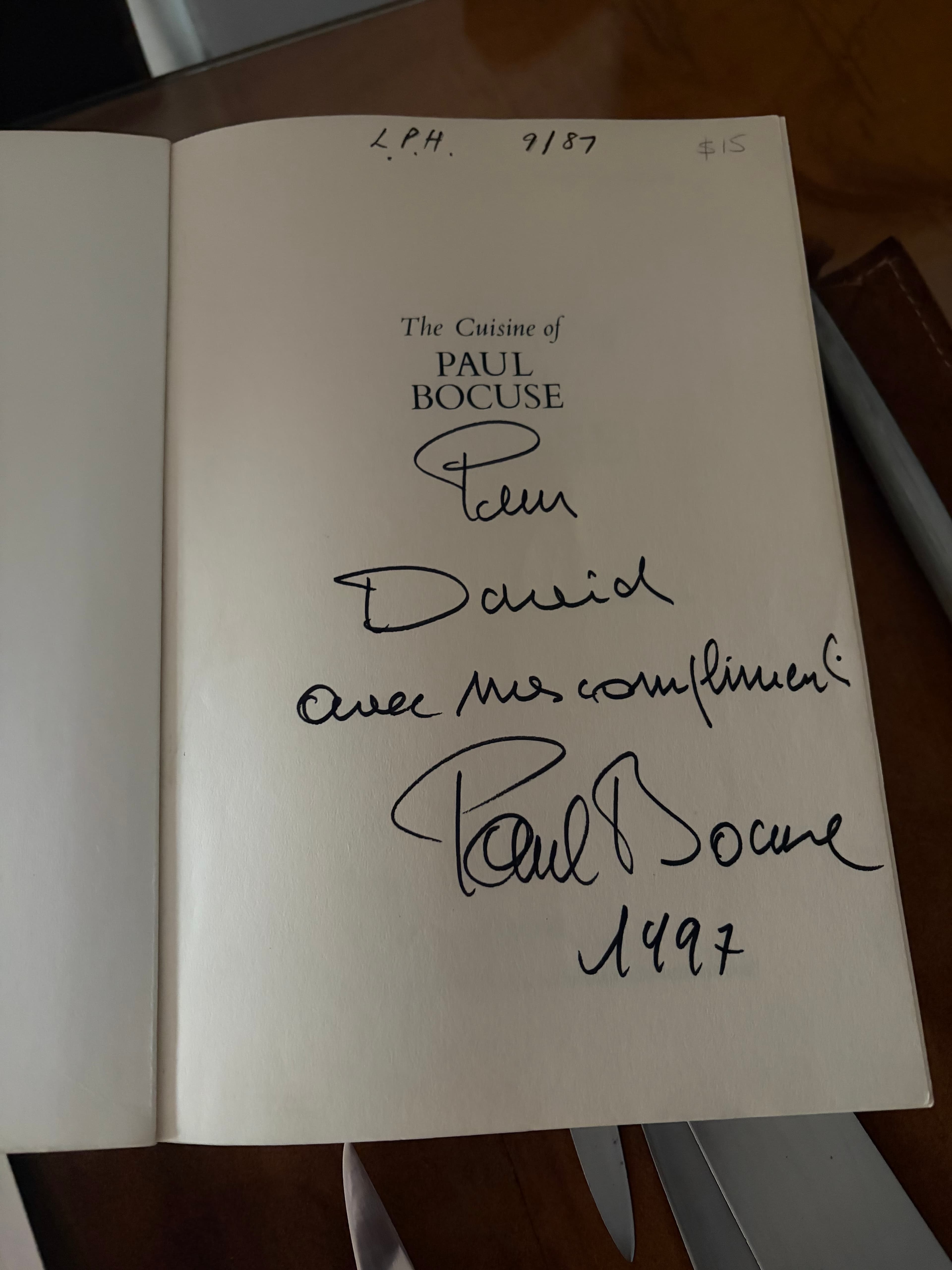
Here's the problem nobody talks about with a big cookbook collection: you can't take it shopping. You can't stand at the fish counter with a two-kilogram hardcover open in one hand, and you definitely can't prop it up on a bench that already has flour, oil and a chopping board fighting for space. So for years, my actual system — the one I used every single week — was photographing the page on my phone, or just handwriting the recipe onto whatever scrap of paper was nearest. A shopping list. The back of an envelope. Whatever was there.
It worked, in the sense that I got dinner on the table. It did not work in any sense that mattered past that one night. Six months later I'd have no idea which photo in my camera roll was the lamb shoulder recipe I liked, or which torn-off corner of paper had the one good roast chicken method I'd actually nailed. I was a professional chef with forty years behind me, and I still couldn't find my own recipes.
So I built the thing I actually wanted, which turned out to be almost the opposite of what I'd been doing. Instead of photographing the page, you photograph the dish. Whatever's actually on the plate — yours, a friend's, something you made last week and want back — and you get a full, structured recipe out the other end: ingredients, method, quantities, the lot. No more scraps of paper. No more guessing which photo was which.
That's the part I get asked about most, so I'll say it plainly: Logiciated doesn't scan cookbooks, and it never will. It can't read a page and it's not supposed to. The only thing the camera is for is the finished dish itself. That's a deliberate line, not a missing feature — my own cookbook shelf is still exactly what it was, a reference I love, not something the app touches.
Once that part worked, the rest of it followed pretty naturally from the same instinct — build the tool I was actually missing, not a tool for an imaginary "user." I'd open my phone and find a recipe app, a meal planner, a shopping list app, and none of them talking to each other, so all of it lives in one place now. And because allergies and dietary needs aren't the same for everyone in a household, each person gets their own profile — though I'll be straight with you about that one too: it flags what it can find, it doesn't guarantee anything. I've been cooking long enough to know an algorithm shouldn't be the last word on someone's safety, so treat it as a heads-up, not a promise, and always check the label yourself.
None of this came from market research. It came from my own kitchen, my own shelf of cookbooks, my own pantry. If you've got a drawer full of handwritten recipes, or a phone full of blurry photos of pages you'll never find again, that's exactly who I built this for — because I was that person too, forty years in and still losing recipes to scraps of paper.
— David
Compare Logiciated to other tools
See how Logiciated stacks up against the apps people ask about most.